

What is Kill Team? A Skirmish Approach to Warhammer
If you know anything about Warhammer 40,000, the basics of a tabletop wargaming are already clear to you: building/painting an army, deploying it across a battlefield, and competing through a mix of strategy, positioning, and dice rolls. Kill Team takes that same idea and scales it down into something more focused, faster, and often more tactical. If you loved being a barbarian in D&D, figuring out how to get out of a room full of skeletons, this game is your jam.
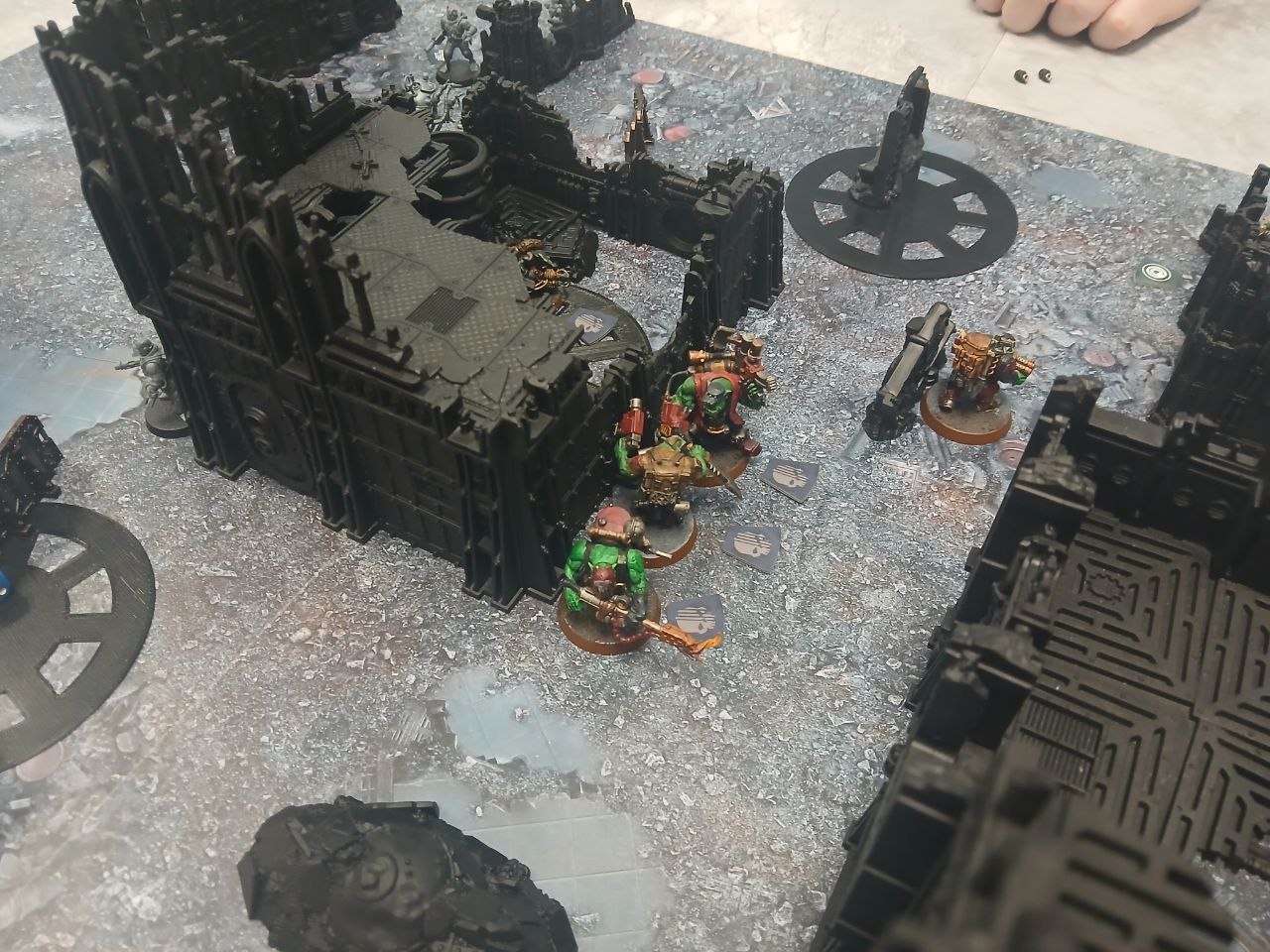
Kill Team is a skirmish-level version of Warhammer 40,000. Instead of commanding a full army composed of multiple units, players control a small squad of individual operatives, typically ranging from around 6 to 14 models depending on the faction. In Warhammer 40,000, units move and act together as a group; in Kill Team, each model acts independently, allowing for much more granular decision-making and positioning.
Because of this, Kill Team places a stronger emphasis on moment-to-moment tactics rather than large-scale army construction. In traditional 40k, what units and equipment options those units can bring heavily influence the outcome of a game before it even begins. Kill Team evens the playing field a bit in this regard, focusing instead on in-game decisions, movement, and careful use of each individual operative (and the one or two abilities they may have).
Another major difference is game length and accessibility. A full game of Warhammer 40,000 can take several hours and require an expensive amount of models, while Kill Team is designed to be played in a much shorter timeframe (1-2 hours) with significantly fewer miniatures (that often come as a single kit!). This makes it easier to get games in regularly, experiment with different factions, and lower the barrier to entry for new players.
Despite these differences, Kill Team still retains the core DNA of Warhammer 40,000. Movement, line of sight, shooting, and combat all feel familiar (but still unique) and many factions and models/units carry over between the two systems. In some ways, Kill Team acts as both an introduction to the larger game and a distinct experience in its own right. It emphasizes tight, narrative-rich engagements in a way that is more personal than sweeping battlefield combat.
At the end of the day, the difference between the two comes down to scale and focus. Warhammer 40,000 puts you in the hot seat of commanding armies and managing the chaos of large-scale war. Kill Team is about leading your small group of specialists through high-stakes, tactical encounters, where every model/decision matters.
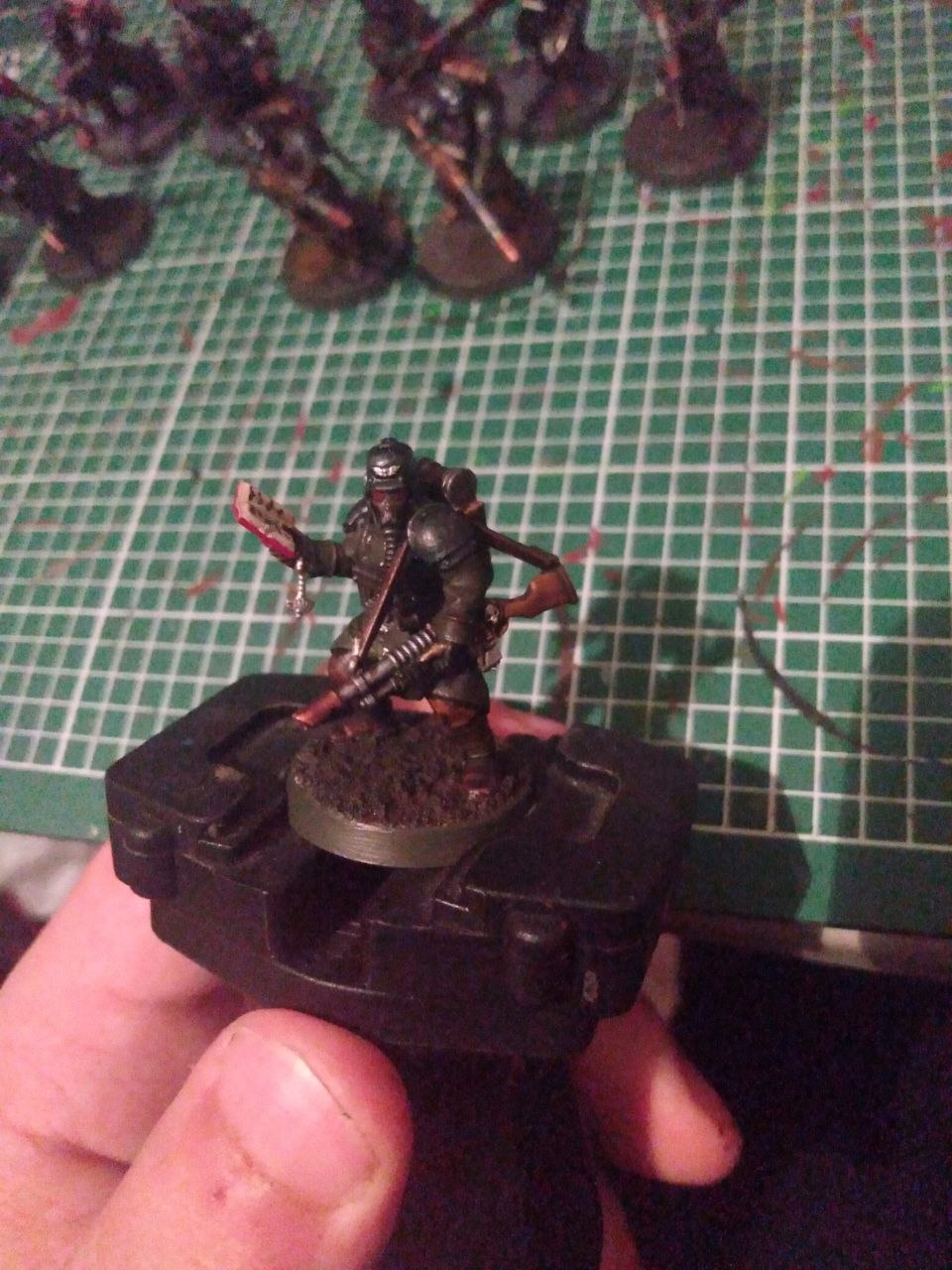
For players interested in a faster, more tactical, and more compact version of the Warhammer experience, Kill Team offers a compelling alternative while still remaining firmly rooted in the same universe.